
When paperwork fails the welds on a 70 tonne digger show why compliance plates cannot replace vigilance and independent checks in mining safety

, , , , , , ,
, ,
, ,
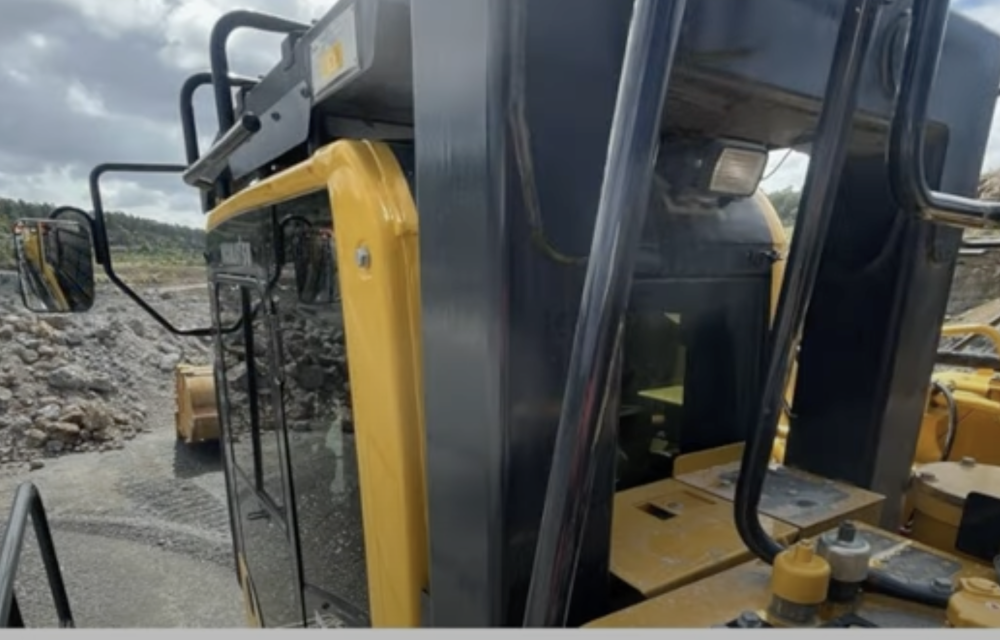
When a brand-new 70-tonne excavator rolled onto site, it should have represented progress for Metromix. Instead, it exposed a hidden safety hazard and became a hard lesson in the limits of relying on compliance plates and paperwork.
At the NSW Resources Regulator’s 33rd Mechanical Engineering Safety Seminar, Luke Cormick, production manager at Metromix, presented his paper Challenges in installing ROPS on primary excavators, co-authored with colleagues from Metromix. He spoke candidly about the difficulties his team faced after purchasing a Komatsu PC700 to replace the quarry’s primary digger – and how the installation of a roll-over protective structure (ROPS) revealed critical weaknesses in both process and oversight.
A safety measure becomes a safety risk
From the outset, Luke explained, Metromix sought to do the right thing. Factory-supplied ROPS was not available for machines over 50 tonnes, so the company engaged a certified engineering firm to design, fabricate and fit the structure before taking delivery.
“The documentation was there, the compliance plug was in place, and it was all certified to 71 tonnes,” Luke told delegates. “On paper, it looked sound.”
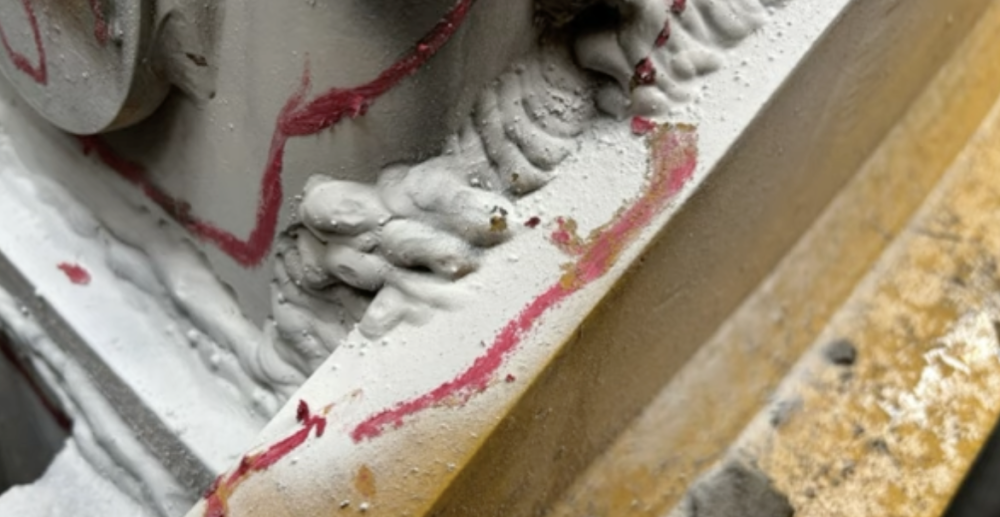
But over a year later, during a 500-hour service by an independent provider, serious welding defects were discovered. The internal inspection revealed welds that were poorly executed or incomplete. “It was frightening to say that what we found wasn’t even the worst of it,” Luke recalled.
The reality of substandard work
The first attempt at repair only deepened concerns. The contracted team arrived with equipment more suited to “fixing a trailer at home” than welding 30-millimetre plate on a primary digger. The welds were cold, inconsistent, and in some places missing altogether.
Further non-destructive testing identified 12 separate defects, including slag inclusions, lack of fusion, cracking and misaligned welds. “You could fit a pen in some of the gaps,” Luke said. “This wasn’t a minor issue – these welds connected directly to the mainframe near the boom foot. It’s an area under huge stress.”
Even after additional work, the ROPS required significant disassembly – including removal of the cab and hydraulic tank – to complete the repairs properly. All this for a machine with barely 3,000 hours on the clock.
Lessons for the industry
Luke emphasised that the experience was not about blaming one company or individual, but about the broader lesson for duty holders across the sector.
“We thought we’d done the right thing,” he admitted. “We engaged a certified engineering company, we had all the documentation, and the compliance plate was on. But you can’t outsource accountability. We still had the responsibility to make sure the work actually met industry standards.”
That means more than accepting paperwork at face value. Luke urged peers to use independent experts, seek second opinions, and hold providers accountable for their workmanship. “The biggest learning for us is simple: never rely solely on third-party certification,” he said.
Why it matters
The message resonates across the mining and quarrying sectors, where safety-critical modifications and repairs are routine. A compliance plate may meet regulatory requirements, but it does not guarantee the integrity of the work behind it.
For mining professionals and practitioners, Luke’s experience is a reminder that vigilance, independent verification, and a willingness to challenge contractors are essential parts of risk management.
In his words: “As duty holders, the responsibility is ours. If in doubt, get a second opinion – and don’t be afraid to ask the hard questions.”