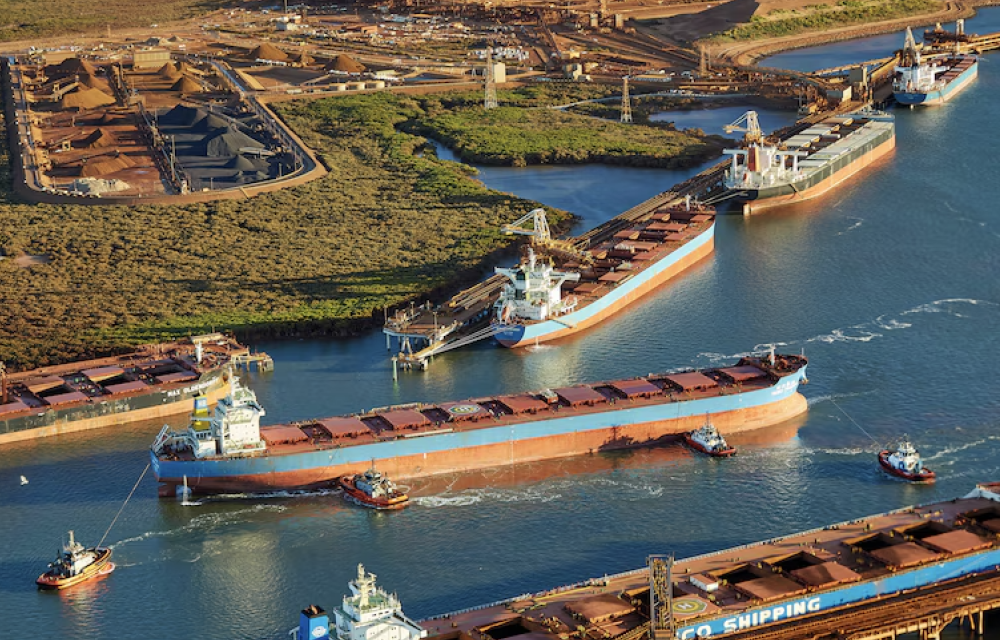
Every day, Fenix Resources' road trains travel a combined 120,000 kilometres, the equivalent of three laps around the planet, hauling iron ore across WA's Mid West, and now former Wallaby John Welborn reckons a $300 million shortcut could help transform the region's mining industry, provided he can get the economics right, keep shareholders happy and resist talking about rugby long enough to build the bloody thing.
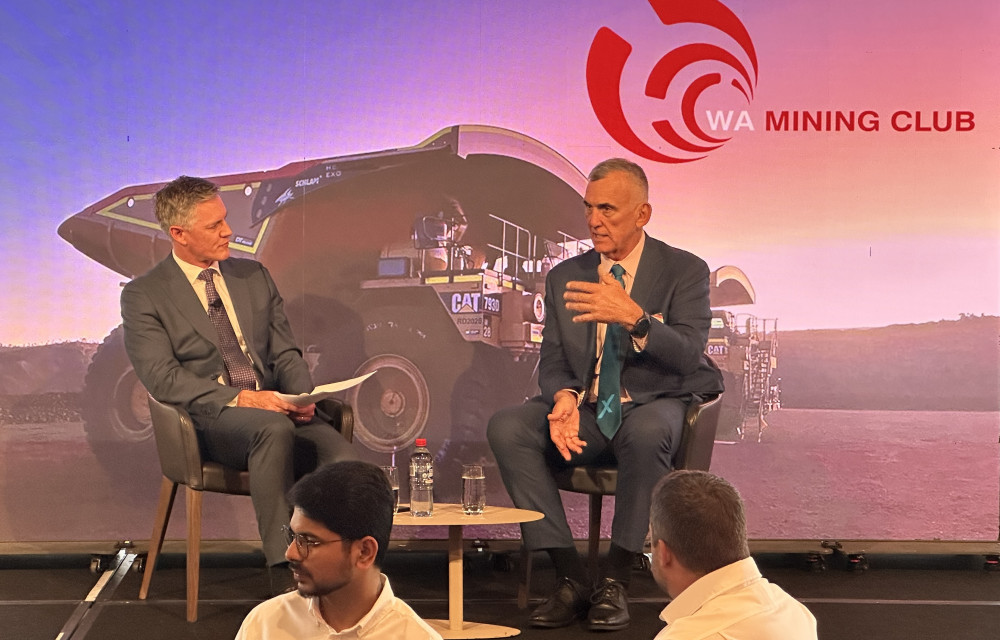
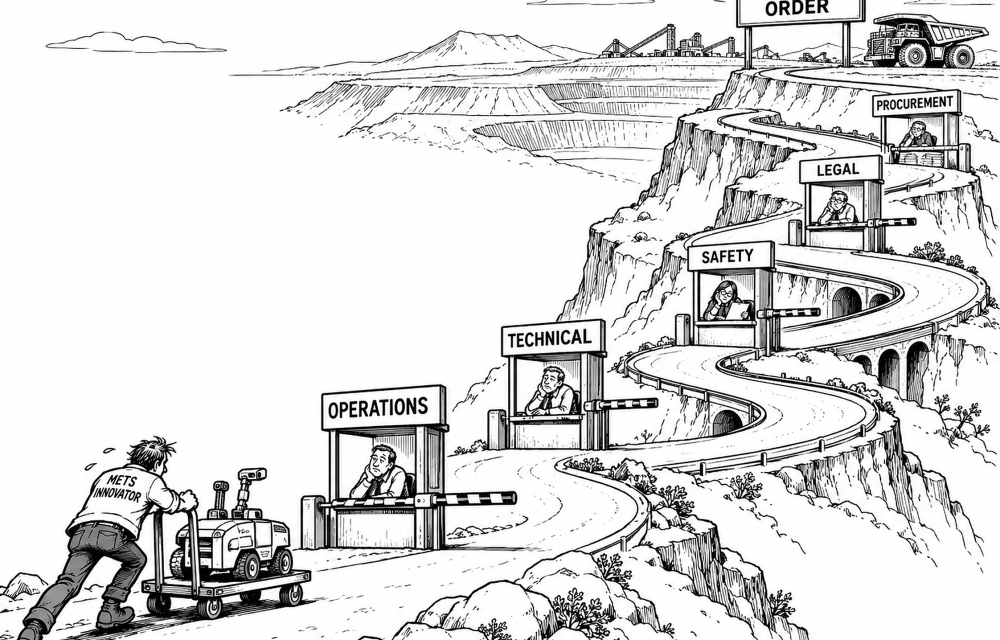
Ask a METS supplier why a promising technology stalled inside a major miner, and procurement is usually the first suspect, but ask the people running procurement, and the answer points somewhere else.
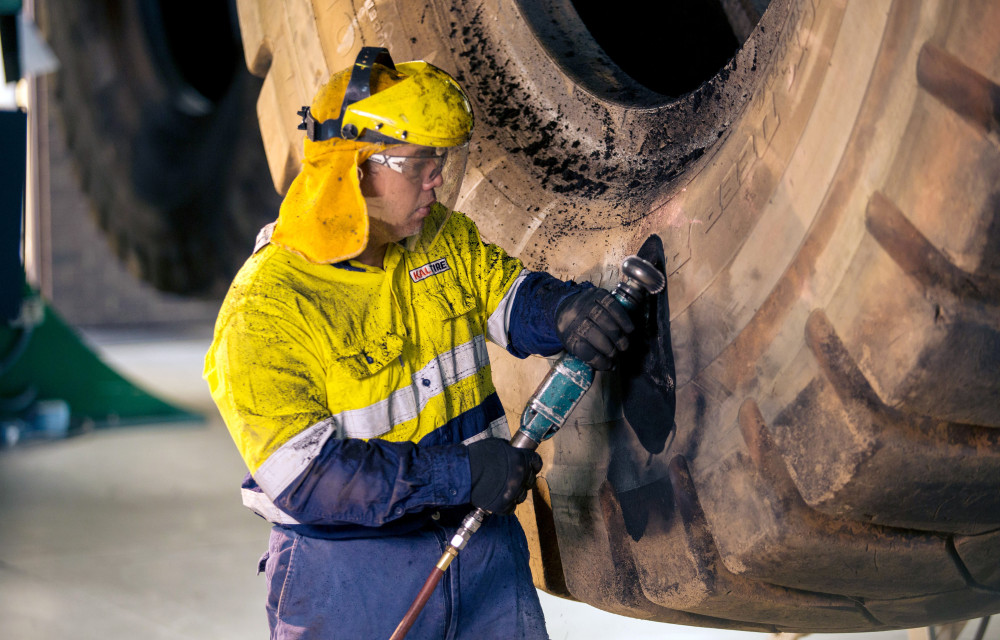
Repairing a giant mining tyre can do more than save replacement cost: for some Australian OTR tyres, it can also avoid up to 10 tonnes of calculated CO₂ while keeping a high-value asset in service.
ContiTech’s new Shield Survivor conveyor belt arrives in Australia’s underground hard-rock market with a 42 percent lower laboratory abrasion-loss result than FR Tuff 2G and applications already in the Americas.
Every day, Fenix Resources' road trains travel a combined 120,000 kilometres, the equivalent of three laps around the planet, hauling iron ore across WA's Mid West, and now former Wallaby John Welborn reckons a $300 million shortcut could help transform the region's mining industry, provided he can get the economics right, keep shareholders happy and resist talking about rugby long enough to build the bloody thing.
Ask a METS supplier why a promising technology stalled inside a major miner, and procurement is usually the first suspect, but ask the people running procurement, and the answer points somewhere else.
Repairing a giant mining tyre can do more than save replacement cost: for some Australian OTR tyres, it can also avoid up to 10 tonnes of calculated CO₂ while keeping a high-value asset in service.
ContiTech’s new Shield Survivor conveyor belt arrives in Australia’s underground hard-rock market with a 42 percent lower laboratory abrasion-loss result than FR Tuff 2G and applications already in the Americas.
Every day, Fenix Resources' road trains travel a combined 120,000 kilometres, the equivalent of three laps around the planet, hauling iron ore across WA's Mid West, and now former Wallaby John Welborn reckons a $300 million shortcut could help transform the region's mining industry, provided he can get the economics right, keep shareholders happy and resist talking about rugby long enough to build the bloody thing.
Ask a METS supplier why a promising technology stalled inside a major miner, and procurement is usually the first suspect, but ask the people running procurement, and the answer points somewhere else.
Repairing a giant mining tyre can do more than save replacement cost: for some Australian OTR tyres, it can also avoid up to 10 tonnes of calculated CO₂ while keeping a high-value asset in service.