
Tire checks without the pit stop as AI thermal tech keeps trucks rolling, boosts uptime and spots problems before they blow out the bottom line

, , , , , , , , , , , , , ,
, , , ,
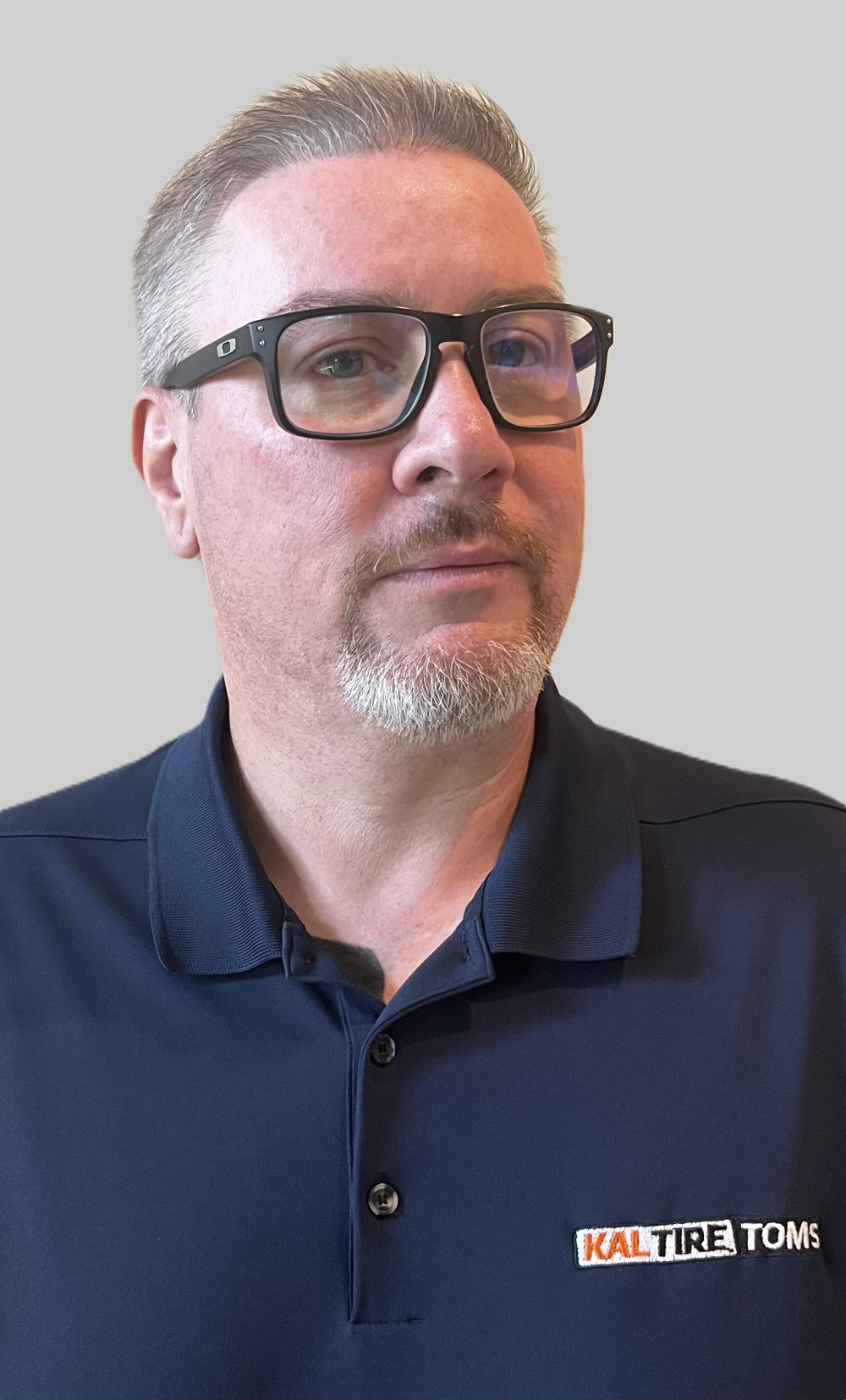
In the mining world, where uptime is profit and safety is paramount, innovations that reduce risk while boosting operational efficiency are prized. Christian Erdelyi, manager, mining technology solutions at Kal Tire’s Mining Tire Group, says the company’s latest advancement ‘KalPRO™ TireSight’ is doing just that.
Christian, his team and technology partner have spent years refining a new approach to tire inspections that trades static checks and downtime for real-time, autonomous monitoring. The result is a solution purpose-built for the challenges of modern mining - particularly sites moving toward autonomy and digital integration.
“TireSight flips the traditional model,” Christian explains to The Rock Wrangler. “Now, inspections can happen in real-time while the truck is in motion. There’s no need to stop, which is especially valuable for autonomous operations where you want to limit human access to haulage zones.”
From manual checks to autonomous intelligence
Today on many mine sites, tire inspections are manual, scheduled tasks requiring haul trucks to park and personnel to physically assess wear and damage. It’s time-consuming, reactive, and often risky in the context of large-scale mining.
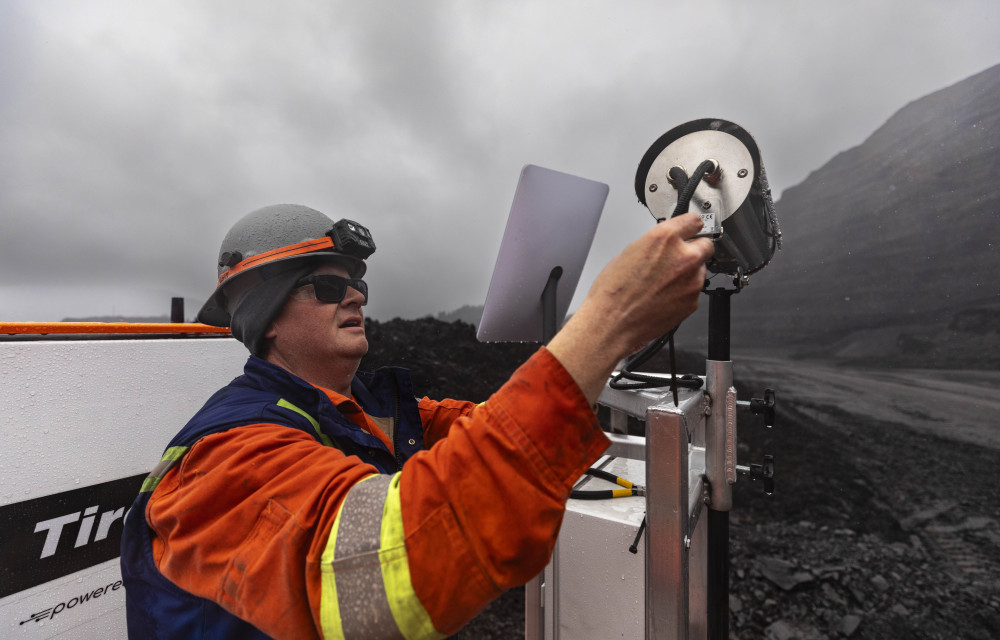
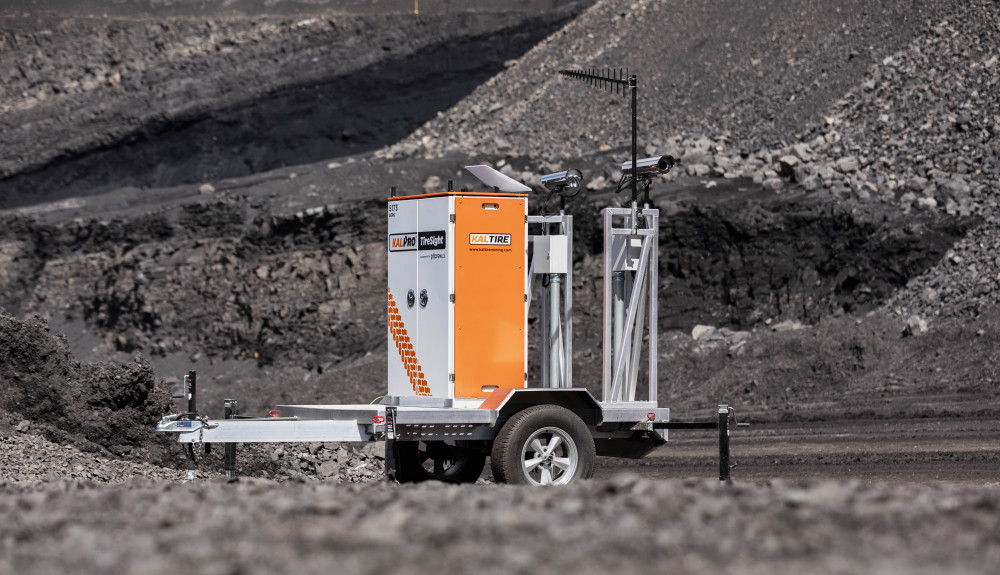
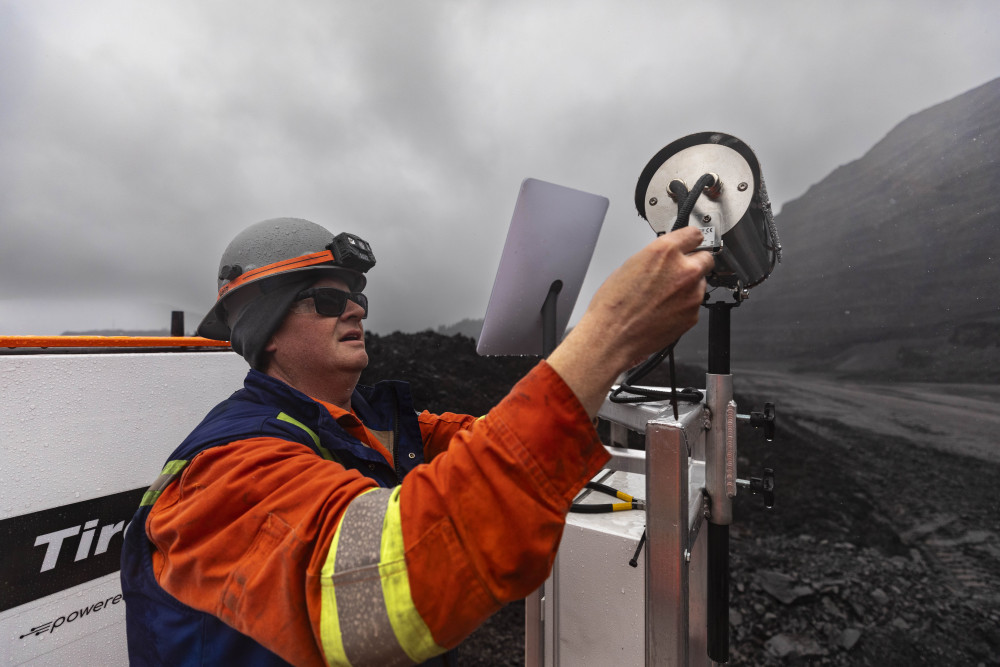
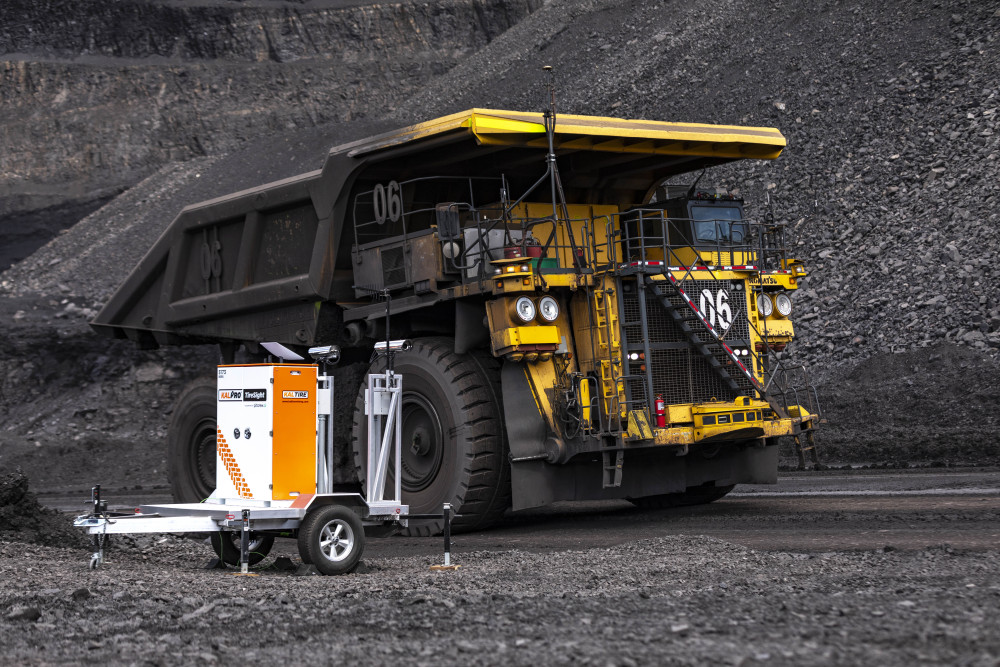
TireSight replaces that model with a technology-led approach. Trucks are inspected as they pass through monitoring stations strategically placed around the mine. The system combines artificial intelligence, thermal imaging, and Kal Tire’s deep operational know-how to flag early signs of tire distress, generating work orders and maintenance alerts before issues escalate.
“What makes TireSight so powerful is how it blends our 50 years of tire management expertise with Pitcrew AI’s autonomous inspection technology,” Christian explains. “It’s a perfect fusion of field-tested experience and advanced innovation.”
Thermal vision meets machine learning
Each TireSight station is equipped with thermal cameras that scan the truck’s tires as it approaches and exits the station. One camera captures the front tires; the other, the rear axle. The images are then analysed by Pitcrew’s AI to detect abnormalities like tread separations, cuts, missing lugs, and more.
“You’re getting multiple rotations of the tire as the truck rolls through,” Christian says. “That gives us far more visibility than a manual check, where you only see what’s directly in front of you.”
What’s more, these inspections happen without interrupting haulage. There’s no need to stop the truck. No disruption to the production cycle. And for autonomous operations, that’s a game-changer.
Tire data, weather, pressure sensors, and more
While thermal imagery forms the technology backbone of TireSight, the system integrates multiple other data streams to provide a comprehensive picture of tire health. Tire and fleet history, ambient weather conditions such as temperature and rainfall, and data from onboard TPMS (Tire Pressure Monitoring Systems) are all brought together within the platform.
This data convergence is critical, says Christian.
“It’s about context. A hot spot on a tire means something different on a 45-degree day than it does at minus 10. We need to interpret anomalies in light of real operating conditions. That’s where our condition monitoring team comes in. They review the data, interpret the insights, and support site teams with follow-up action.”
Real-time insight, real-world action
When an issue is detected, TireSight automatically creates a work order in Kal Tire’s proprietary TOMS (Tire & Operations Management System) . The alert includes all relevant information: the affected tire, its location on the truck, the type of damage, and a recommended timeline for intervention.
“We’re not just raising flags. We’re helping technicians focus right where it matters,” Christian says. “They know which tire to inspect, what to look for, and when to act.”
Less critical issues are logged for future monitoring, while maintenance teams can review long-term data trends to spot patterns or emerging fleet-wide concerns. With mobile access through the TOMS app, frontline teams stay informed and aligned no matter where they are on site.
Smarter scheduling, better planning
Different mine sites have different goals. Some prioritise early damage detection, others want to cut inspection times or reduce fire risk. TireSight adapts to these varied needs using smart business logic and planning AI within TOMS.
“We can factor in tire age, usage, ambient temperature, and condition to generate work orders that make the most sense operationally,” says Christian. “It’s about efficiency - doing the right jobs at the right time, often bundling them to reduce overall downtime.”
This data-led approach also supports broader maintenance scheduling, helping mines plan tire resets, rotations, or replacements alongside other planned maintenance activities.
Tangible improvements in tire life and safety
According to Christian, one of the most significant benefits is visibility. That means detecting damage that would previously have gone unnoticed.
“We’re catching things like sealed separations - failures that aren’t visible during a visual inspection,” he says. “That’s huge in terms of preventing incidents and improving tire performance.”
The ability to inspect multiple tire rotations in motion also means more opportunities to detect and address issues like cuts or abnormal wear, enabling preventive repairs that extend tire lifespan. And because TireSight feeds data directly into TOMS, more tire-related work is completed per maintenance event. This means fewer disruptions and better utilisation of technician time.
Built for the harshest conditions on earth
One of TireSight’s standout qualities is its ruggedness. The system has already proven itself in some of the toughest mining environments in the world.
“We’ve got installations running at −45°C in the Canadian Oil Sands, 4,600 metres up in the Chilean Andes, and in tropical heat above 40°C in northern Colombia,” Christian says. “We’ve even conducted thermal studies 2,500 metres underground using a portable TireSight setup.”
These field deployments underscore both the technology’s reliability and the commitment of Kal Tire’s teams to support it under extreme conditions.
Scalable, adaptable, and OEM agnostic
Whether a mine is running a single site or managing a multi-site operation across continents, TireSight scales easily. Multiple inspection stations can be deployed to ensure full coverage, and the AI model is optimised for rigid haul trucks across different brands and configurations.
Even more importantly, every scan is reviewed by Kal Tire’s remote monitoring team, ensuring that nothing is missed and the AI continues to improve with feedback.
“Our experts provide the human touch, refining the AI’s accuracy and helping it learn. That feedback loop is what makes the system increasingly reliable over time,” Christian notes.
Looking ahead: from detection to prevention
So, what’s next for TireSight?
Christian says the roadmap is focused on evolving from reactive detection to proactive prevention.
“The next step is understanding the root causes of damage and helping customers prevent issues before they arise. That’s where we see huge value - reducing risk, extending tire life, and helping operations run safer and smarter.”
Conclusion: Rethinking Tire Strategy in a Digital Mine
As mining continues its transformation toward automation and intelligent systems, Kal Tire’s TireSight stands out as a prime example of what’s possible when legacy expertise meets next-generation technology.
It’s not just about inspecting tires; it’s about empowering operations with insight, precision, and control.
“At the end of the day, it’s about protecting assets and people,” Christian says. “TireSight gives mines the visibility they need to make better decisions. That’s good for safety, productivity, and the bottom line.”