
Mobile crushers get brainy as smart, silent and battery-powered machines redefine rock breaking for the next generation of agile, adaptive mining operations

, , , , , , , , , , , , , , , , , , , ,
, , ,
, ,
Mobile crushing and screening is undergoing a radical shift. What was once a rugged, fuel-guzzling corner of the mining and quarrying world is now the proving ground for some of the sector’s most advanced technologies-electric drives, smart controls, real-time diagnostics, and predictive automation.
At the forefront of this transformation is Guangxi Mesda Group Co., Ltd., a company shaking up conventional thinking with its blend of intelligent design, low-carbon technology, and flexible, modular machines purpose-built for modern mining.
Helping to drive that shift is regional sales manager Ray Ou, who believes the next evolution in material processing will combine brains, brawn, and battery packs.

“The next generation of crushing equipment won’t just run efficiently-it will think efficiently,” Ray explains to The Rock Wrangler. “We’re working toward machines that can learn from their environment, adapt on the fly, and keep themselves running with minimal human intervention.”
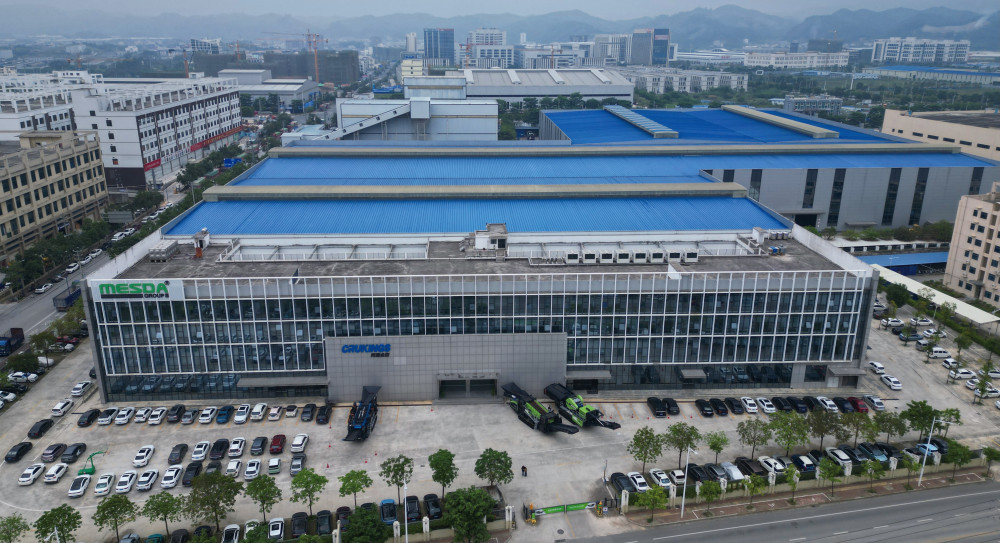
That kind of bold vision has helped position MESDA-still a relatively young name in the industry-as an emerging force in mobile material processing. Headquartered in Nanning, Guangxi, China, the company has carved out a niche by embracing electrification, automation, and modular design to meet the evolving demands of mining and quarrying projects globally.
And the strategy is paying off. MESDA’s machines are now deployed across a growing number of sites in China and abroad, where mobility, flexibility, and environmental compliance are increasingly vital. As Ray puts it:
“We don’t want to just follow trends-we want to define them.”
From start-up to standout
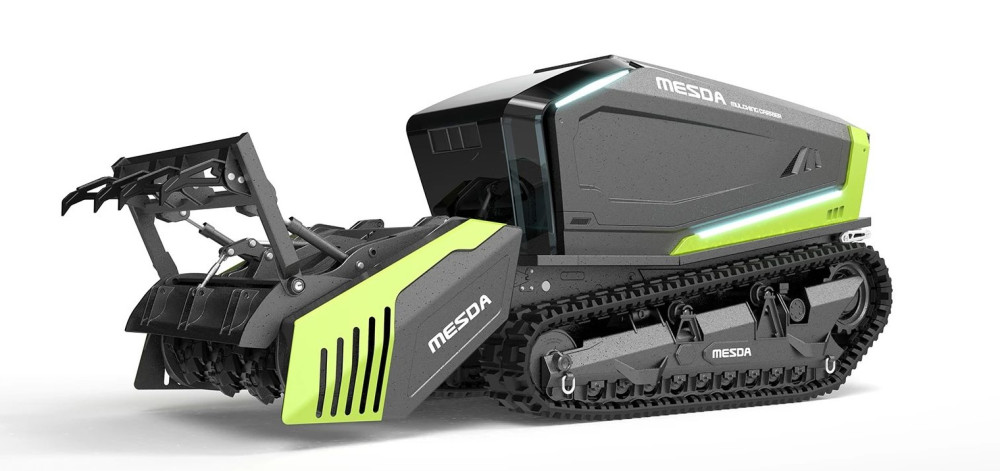
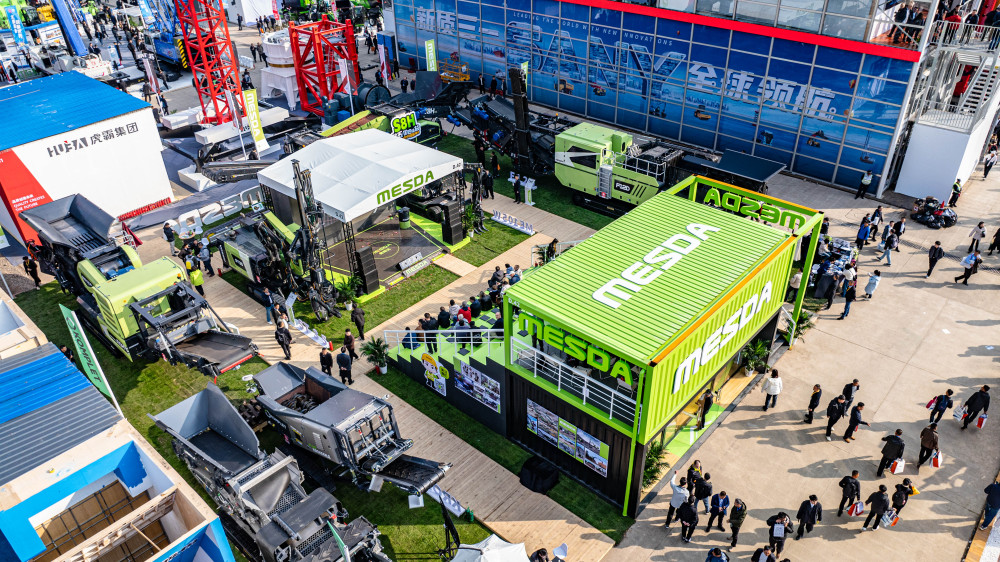
MESDA’s journey started with a simple mission: challenge the dominance of fixed crushing systems by delivering a smarter, more responsive alternative. Since launching its first integrated crusher and screener, the X3, in 2016, the company has steadily expanded its offering. In 2018, it unveiled China’s first super-sized mobile jaw crusher, the MC-130J, and a year later rolled out a split-type mobile crushing station purpose-built for underground use. And in 2025, MESDA brought its latest F12 impact crusher to Bauma Munich-based on the same platform but offering different drive mode options, including a range extender version currently in development.
But it’s not just size and muscle that distinguish MESDA’s equipment-it’s the control, versatility, and focus on real-world mining constraints.
“In many remote mining operations, you don’t have the luxury of stable grid power or time-consuming infrastructure,” Ray explains. “Our hybrid drive systems offer a practical balance-diesel when needed, electric when possible, and rapid deployment always.”
That R&D focus on drive systems has been a game-changer, especially in locations with inconsistent energy access or frequently relocating operations. MESDA’s hybrid models allow operators to reduce fuel consumption without compromising mobility or output.
Ray notes that while fully electric machines remain part of MESDA’s long-term R&D roadmap, the company is currently focused on developing range extender drive technology.
“Compared to the fully electric version, we believe this technology better aligns with our marketing strategy and current R&D status,” Ray says. “Battery-powered, fully electric machines are a concept we’ve been researching, but we believe it’s too early to announce this.”
Smarter machines, safer sites
Energy efficiency isn’t MESDA’s only focus. Ray says the company is also pushing hard on environmental and safety metrics, especially dust suppression, noise reduction, and operator assistance features.
“Crushing rock is inherently noisy and dusty, but we’re not accepting that as a given,” he says. “We’ve integrated spray pipe systems and optional mist cannons into many of our models. For noise, we’ve developed enclosure systems to significantly reduce engine and machine sound during operation.”
Equally notable is MESDA’s investment in smart control technology. Newer models feature centralized control platforms that give operators a real-time view of machine status, with fault code recognition and automatic alerts helping to prevent breakdowns before they happen.
Remote diagnostics are another area where MESDA is stepping up, though Ray acknowledges this depends on local regulations and connectivity.
“We’re exploring ways to integrate remote support and data analytics into the lifecycle of the machine, in a way that complies with national policies,” he says. “The end goal is predictive maintenance, reduced downtime, and higher ROI for every machine in the field.”
Mobile machines for mobile markets
MESDA’s mobile crushing systems are proving particularly effective in rapidly evolving or remote mine sites-where resources are scattered, project durations are short, and conditions shift frequently.
In such settings, the ability to move a crushing unit in hours-not days-can be transformative.
“A mobile unit means less reliance on civil works, faster commissioning, and better response to fluctuating production needs,” Ray notes. “It’s why we’ve been so successful in China’s mine upgrade projects.”
This flexibility is part of what makes MESDA confident in its expansion plans for Australia, where both compact and mid-sized crushing equipment is in growing demand.
“The Australian market has a strong appetite for small and medium equipment, particularly in construction recycling and satellite mining projects,” Ray explains. “But we also know that open-pit mining is prevalent there, so we’re preparing to promote more high-capacity, mid-to-large models suited to those conditions.”
It’s a calculated approach: build trust with transportable solutions and scale up as demand dictates.
Sustainability in focus
With decarbonisation high on the mining agenda, MESDA is betting big on clean technology.
“Our commitment to sustainability starts with product design,” says Ray. “We’re launching more electric and hybrid models, optimising energy conversion in plug-in scenarios and refining power distribution in diesel modes.”
The aim, he says, is to offer crushing solutions that actively contribute to a mine’s sustainability targets-by reducing fuel use, lowering emissions, and enabling in-pit processing that cuts haul distances.
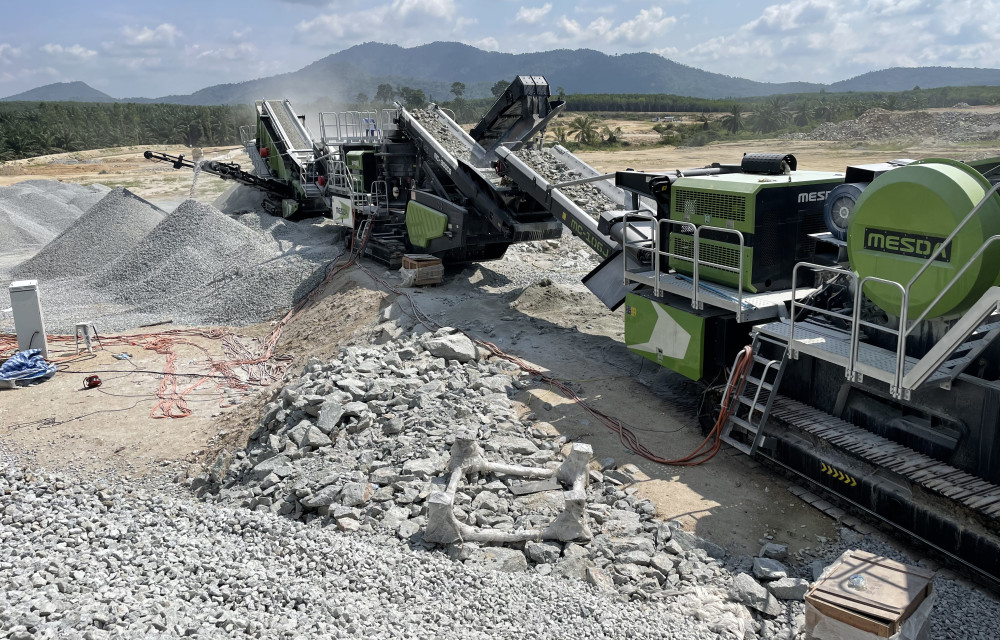
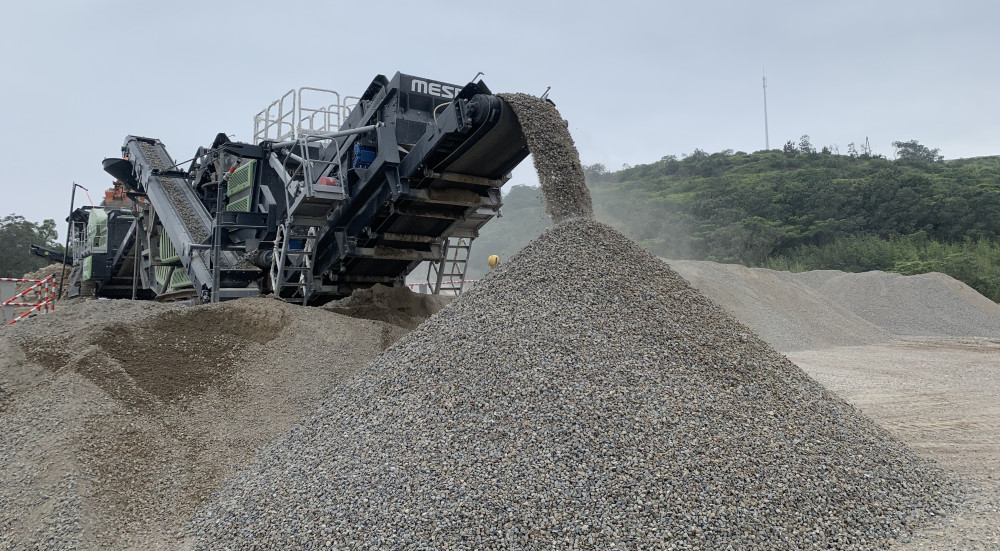
A compelling example comes from a road construction project in China, where MESDA’s mobile impact crusher and screening station were deployed to process tunnel muck-material that would otherwise be discarded.
“The muck had rocks up to 800mm in diameter,” Ray recalls. “We crushed it down to under 40mm, screened it into usable size fractions, and repurposed it on-site for road sub-base and temporary buildings.”
The result? Faster project delivery, lower environmental impact, and a closed-loop materials cycle-all achieved with a mobile solution.
Designed for the grind
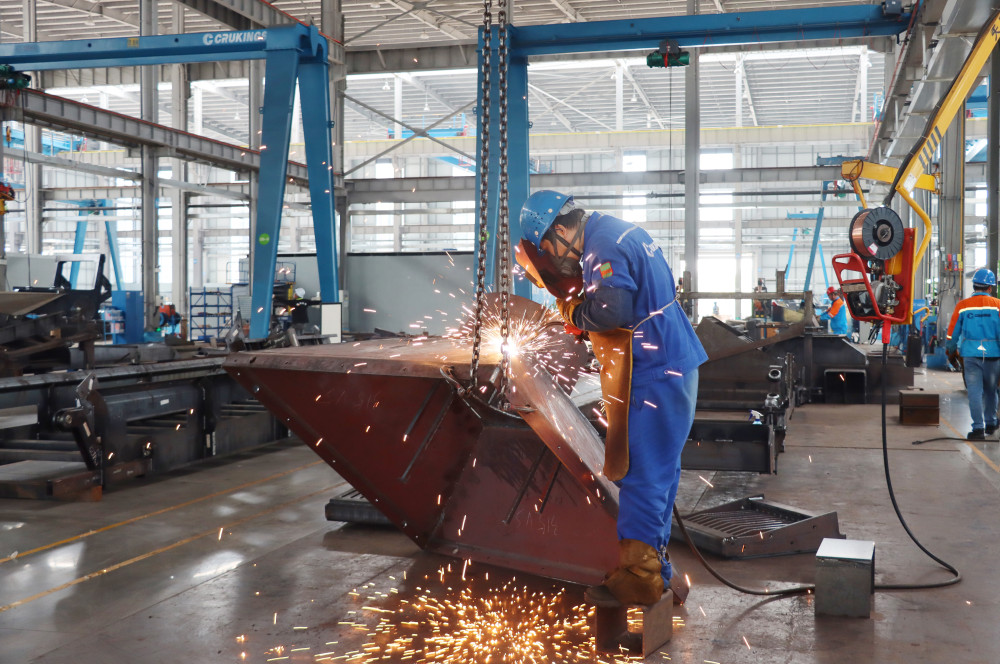
Naturally, no two mining projects are the same. MESDA tackles this with a suite of modular options and customisations, from heavy-duty wear parts to washing systems and reinforced hoppers.
“We work closely with clients to tailor each unit,” says Ray. “In highly abrasive applications, for example, we offer enhanced liners and protective components. These aren’t just bolt-ons-they’re engineered into the machine.”
That customisation has become a hallmark of MESDA’s offering. Many originally bespoke features-like hydraulic adjustable grizzlies or larger feed bins-have now been incorporated into their standard product range due to demand.
“It’s about giving our customers exactly what they need, not what we think they need,” Ray adds.
Building local support
Though still early in its Australian market journey, MESDA is laying the groundwork for robust local support.
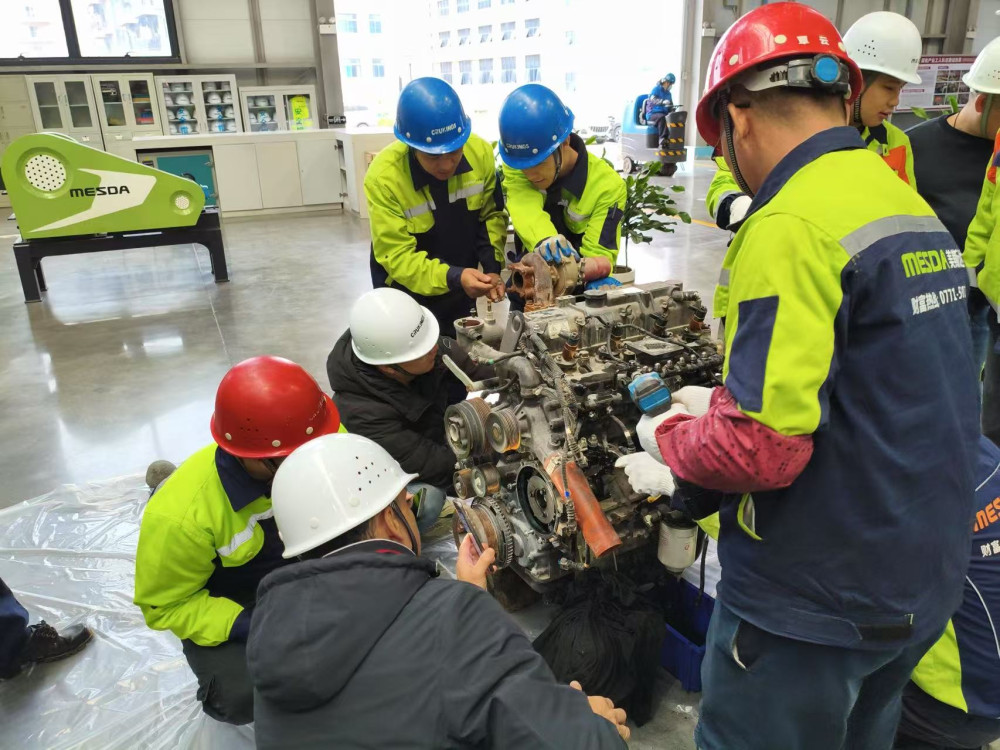
“We’re establishing partnerships to create spare parts hubs, so downtime due to logistics can be minimised,” says Ray. “We’ve also trained overseas distributor teams on core maintenance and fault diagnostics to support the growing fleet.”
More importantly, MESDA is investing in remote support capability-a move aimed at reinforcing customer confidence and reducing the need for fly-in technicians.
“We want people operating MESDA equipment to feel like they’ve got a support team in their back pocket,” Ray says.
What’s Next?
Looking ahead, MESDA’s focus is firmly on three pillars: green power, remote support, and modularity.
Ray believes the market is shifting from basic uptime to a more holistic measure: total cost of ownership (TCO).
“Cost-effectiveness, availability of spares, and digital support all matter more than ever.”
He also sees a future where AI-driven systems reshape the crushing landscape.
“Imagine a mobile unit that can detect ore type in real time, adjust itself for optimal throughput, and self-schedule maintenance,” he says. “That’s where we’re heading. Not overnight, but sooner than people might think.”
With its combination of youthful ambition and smart engineering, MESDA may just be the company to get there first.