
Paperwork piled high but safety slips show mining needs fewer forms and more focus on what really happens in the pit


, , , , , , , , , , , ,
, ,
,
Even with control plans, take-fives, and risk assessments stacked high, mining engineers admit incidents still happen because the real world never plays out as neatly as the documents.
That was the blunt assessment from a panel of mechanical engineers and academics at the NSW Resource Regulator’s 33rd Mechanical Engineering Safety Seminar (MESS 2025) in Sydney.
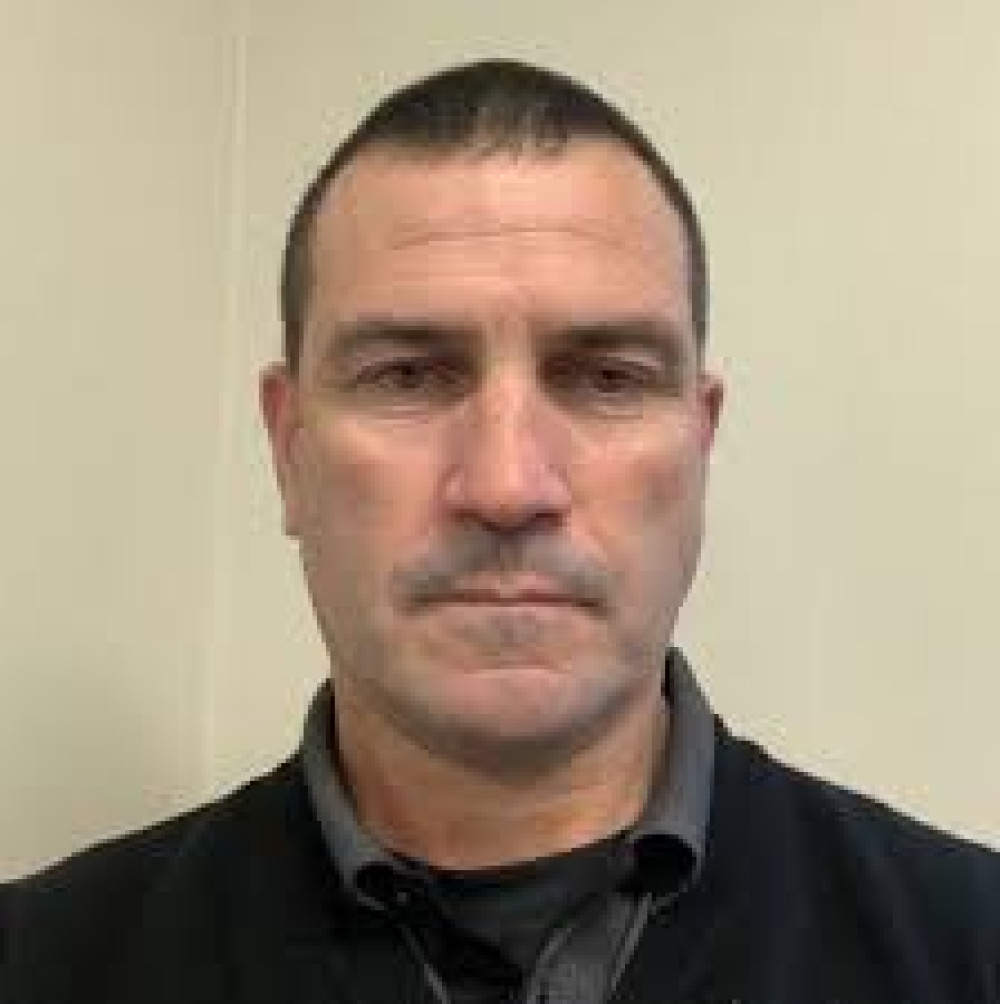
The discussion, moderated by inspector Peter Berkholz, brought together Clint Maynard of Xstrata Coal, Alison Pepper of Hunter Valley Operations, Aitzaz Shah of Newmont Corporation, Associate Professor Drew Rae of Griffith University, Associate Professor Guy Hawkins of the University of Newcastle, and Berkholz himself. What emerged was a candid look at how safety systems succeed or fail once they leave the office and reach the pit.
More than compliance
For Clint, who manages underground operations, the role of a mechanical engineer comes down to one thing. “My job is to do whatever’s in my power to make sure people aren’t hurt from mechanical energy,” he said. Compliance matters, but he sees the paperwork as a tool - not the purpose. “I don’t need to reinvent what’s already there. I use the legislation, the code of practice, and I get input from the people at the face who see risks every day that I don’t.”
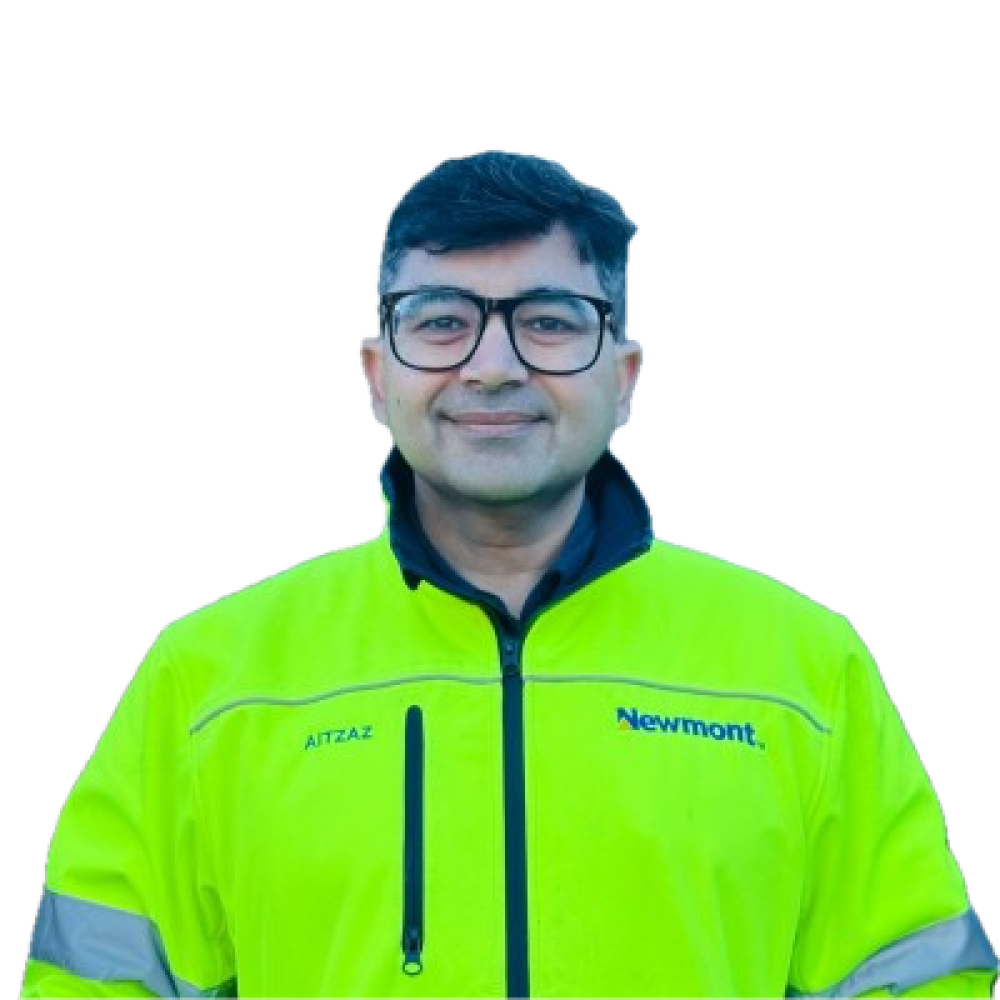
Aitzaz echoed that sentiment, adding that company takeovers complicate the picture. After Newmont acquired Newcrest, his team spent almost a year aligning control plans with both corporate and regulatory expectations. “It was a learning process,” he said. “Normally we update standards only when laws or hazards change, but this forced us to review every assumption.”
Alison described the control plan at Hunter Valley as a “road map” rather than a single document. “We’ve got thousands of mechanical hazards. Our plan points to the detailed risk assessments on confined spaces, working at heights, and so on. It cascades through the business like that.”
The danger of fantasy planning
Drew warned of what he calls “fantasy planning” - the risk that organisations put all their energy into maintaining the perfect plan while real conditions drift away from it. “Pike River was an example where the paperwork bore no resemblance to the actual systems underground,” he said. “If you change the document and nothing changes in the real world, why have you changed the document?”
Guy raised a practical challenge: sheer volume. “Anything that’s 100 documents long is overwhelming. Even if someone memorises it, can they apply it under pressure? Memory works differently when you’re under the pump.”
Both urged engineers to focus less on producing exhaustive plans and more on ensuring that what’s written can be used effectively in the field.

When focus narrows and responsibility diffuses
The panel analysed a video of a near-miss during a radiator installation, where workers and a crane operator became dangerously misaligned.
Alison noted how quickly focus narrows when something goes wrong. “One person is intent on freeing a jammed module, the crane operator is watching the hook, and neither sees the bigger picture. You can engineer out complexity with jigs and tools, but people will still lock onto the problem in front of them.”
Guy pointed to “diffusion of responsibility.” With ten people on site, each assumed someone else was watching the overall safety. “Everyone had a role, but no one was clearly accountable for the big picture,” he said.
Aitzaz saw complacency and drift at play. “They may have done that job hundreds of times without issue. Small shortcuts become accepted, then bigger ones. The fix is simple but difficult - when something changes, stop the job and reassess.”

Take-fives as mental resets
Paperwork again came under scrutiny when the discussion turned to pre-start risk assessments.
Clint was blunt: “A take-five is not about the checklist. It’s a tool to reset your thinking before you start the job. The form itself won’t save you.” He suggested workers ask themselves just three questions: What’s my job? How can I get hurt? How can I not get hurt?
Alison agreed, saying the benefit is in pausing. “Whether you write every hazard down or not, the value is recalibrating your ‘risk-o-metre’ before heading out.”
Drew was sceptical of adding more paperwork after incidents. “The instinct is always to ask, what else can we add? But in that radiator case, all the opportunities to stop it were gone before the video even started. No take-five in the middle of the job was going to save them.”
Visibility and relationships
The conversation then turned to how engineers ensure control plans are actually followed. The answer was not more audits, but more time in the field.
Alison emphasised support from management. “You can’t do this role without it. My manager backs my decisions, and I build credibility with teams so that when I walk into a workshop, they know who I am and what I stand for.”
Aitzaz described setting weekly routines to meet supervisors across a large site. “You can’t be everywhere, so you need eyes and ears. Regular contact keeps you connected.”
Clint highlighted visibility. “People need to put a name to the face. If the fitters say ‘g’day’ as you walk through, that tells you something. Your presence matters.”
Drew underlined the social side. “Relationships don’t happen by accident. You have to plan for coffee, barbecues, casual chats - they’re part of the safety system.”
Setting the bar and sticking to it
Clint warned that first impressions count. “Your first shift is your one chance to set expectations. If you let a seatbelt slide, the next thing someone thinks is okay to skip a pre-use inspection. It grows.”
Aitzaz put it simply: “The standards you accept are the standards you set. If something doesn’t feel right and you don’t stop it, that will turn into an incident later.”
Both stressed consistency. Workers quickly spot when supervisors go “hot and cold” on rules.
Responding to incidents calmly
The panel also shared how they manage incidents once they occur. Alison’s first move is to steady the scene. “Often people are in panic mode, trying to fix it. The priority is to calm things down so we can think logically and prevent escalation.”
She also insists on speaking directly to the operator involved. “Supervisors tend to water down what happened when they report it. Only the person on the job can give you the real feel of the risk they faced.”
Clint distinguished between notifiable and non-notifiable incidents but stressed both deserve attention. “Internal investigations matter, even if the regulator doesn’t need to be told.”
Aitzaz added that engineers need to push for practical actions, not just administrative fixes. “We want controls that change the work, not just more paperwork.”
The lifestyle of a statutory engineer
The final word was on becoming and staying a statutory mechanical engineer. Alison was candid about the lifestyle impact. “It creates havoc. You’ll get calls at 3am. You’ll always have the laptop nearby. It’s not just your choice - your family has to be ready for it too.”
Clint and Aitzaz credited mentors like Bob Dixon for guiding them through the early years. “Once you’ve got your ticket, you don’t stop learning,” Clint said. “The responsibility is to give back, mentor others, and keep raising standards.”
The takeaway
The sharpest insight from MESS 2025 was that safety is not won by writing another procedure. The paperwork is necessary - to protect workers and companies alike - but its real value lies in how it shapes behaviour in the field. As Drew put it, the choice isn’t to do more or less, but to “do what we’re doing now, better.”