
Safety theatre on the coalface: Why contractor risk management in Qld mining is all checklist, no control, and putting lives on the line

, , , , , , , , , , , ,
, ,
,
Contractor safety in Queensland’s coal sector isn’t just flawed—it’s dangerously broken, and one veteran risk expert is calling time on the whole system.
Scott Graham is not pulling any punches. With 33 years in mining under his belt and two decades as a Site Senior Executive (SSE), Scott has seen firsthand how contractor management systems have devolved into hollow bureaucratic rituals.
“Most of the time, companies simply don’t do what they say they will do,” Scott, director of risk and safety consultancy Mineplex, told The Rock Wrangler. “There’s a written procedure that looks good on paper, but when I audit these sites, the actual practices fall short. What little they do is often perfunctory and lacks real operational value.”
He doesn’t mince words. According to Scott, too much of what is done in the name of contractor management has become box-ticking exercises – not aligned to a risk profile, heavily templated, devoid of context, and disconnected from site realities. “You see systems where safety considerations are treated as an afterthought, bolted on to satisfy legal minimums rather than to genuinely protect people.”
A high-risk blind spot
Scott argues that contractor management is one of the highest exposure areas for SSEs in Queensland and yet remains among the most poorly addressed. “Contractors are often engaged for high-risk activities - shutdowns, plant installs, blasting - but the oversight applied is often less rigorous than what’s expected for permanent workers.”
The problem is compounded by convoluted commercial arrangements. “You get this diffusion of responsibility. A contractor might act as the coal mine operator, then bring in a subcontractor who’s only tied commercially to the client. The SSE is still accountable by law, but they’re often hands-off. That’s a recipe for unmanaged risk.”
The stats back him up. Contractors continue to be overrepresented in mining fatalities. Data from the Queensland Government and multiple independent reviews support Scott’s assertion that contractors remain overrepresented in mining fatalities. The landmark Brady Review (2020), which examined 47 fatalities in Queensland mines and quarries between 2000 and 2019, found contractors were significantly overrepresented in those deaths relative to their share of the workforce—despite often performing non-routine, high-risk tasks. Meanwhile, Resources Safety & Health Queensland’s 2021-22 reporting shows that contractors continue to feature prominently in high‑potential incidents and serious accidents, reinforcing a persistent pattern of elevated risk.
Scott sees this not just as a symptom of the work they do, but of systemic accountability gaps.
“They’re often working out of sight, under pressure, and with supervisors the SSE didn’t choose. You’re handing over control without handing over responsibility.”
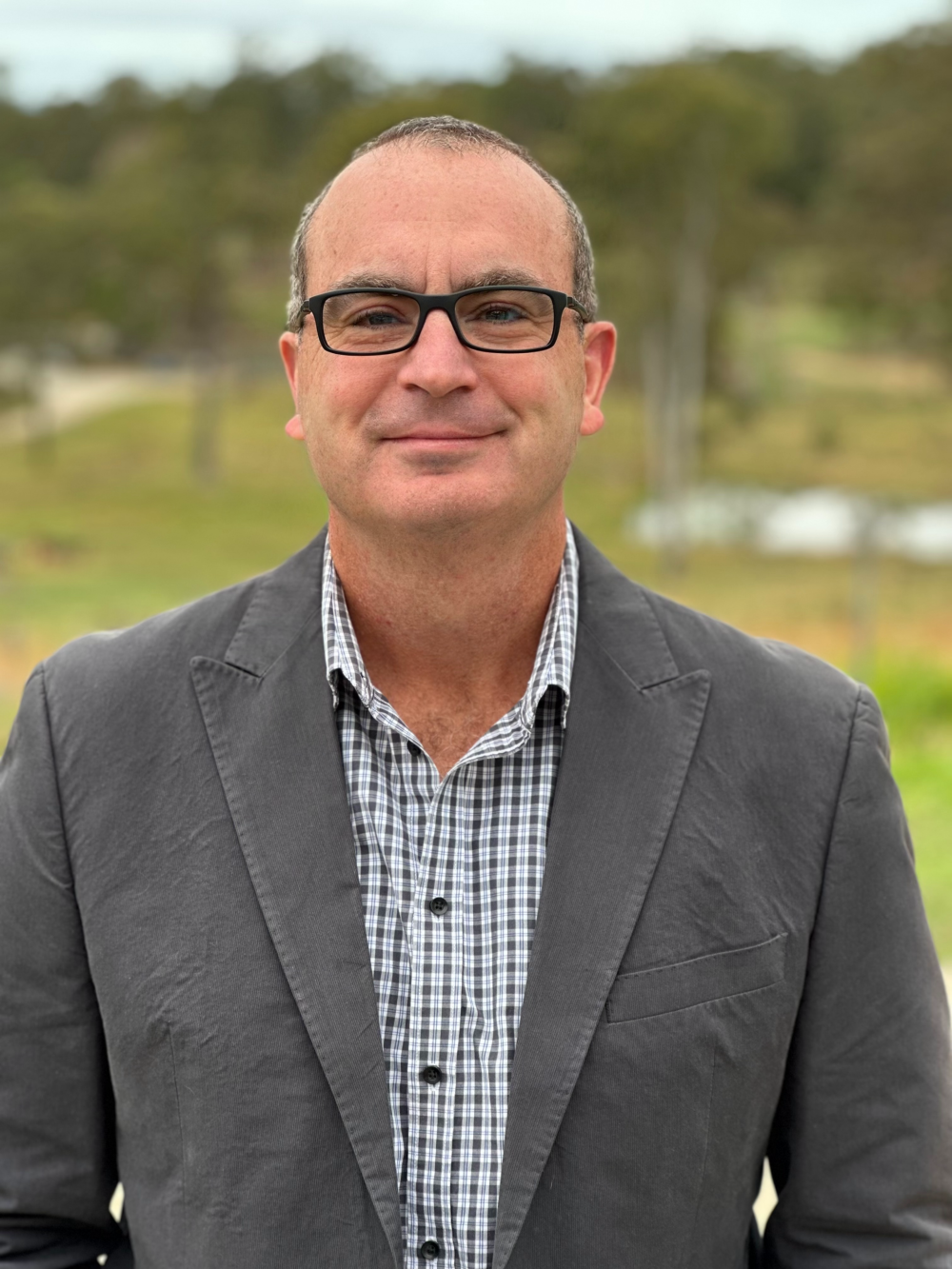
Scott Graham: “When everything is important, nothing is important. Focus on what really matters. Do it properly. The consequences of getting it wrong are too real to ignore.”
Leadership is everything
For Scott, leadership - not documentation - determines safety outcomes. “You can have a convoluted SHMS or a barebones one - either way, it lives or dies by the leadership culture. If it’s not genuine, not willing to hear the bad news, then weak signals get ignored. And every serious incident leaves a trail of those signals.”
Asked how SSEs can start to fix this, Scott is unequivocal. “You are legally accountable. Make sure the person managing your contractor framework knows what they’re doing. In some cases, that needs to be a full-time role. Handing it off to a commercial manager or a stretched HSE manager? Not good enough.”
He advocates a clear, risk-based framework tailored to actual operations. “A tiered approach makes sense. Not every contractor is equal. But even the small ones can engage with fatal hazards. The SHMS has to reflect that reality.”
What a good system looks like
Scott says a solid contractor SHMS is calibrated to risk, ensures robust supervision, and harmonises procedures between client and contractor. “If they bring their own methods, fine - but those need to be integrated into the SSEs “single SHMS” requirements. Do they contradict site-wide isolation protocols? Do they align with critical controls? You can’t afford ambiguity.”
And forget trying to capture everything. “Less is more. Don’t pretend everything is critical. Start with what can kill you and work down. Too many task-based risk assessments start with slips and trips - that tells me no one’s thinking critically about the job.”
Technology: tool or trap?
Scott is wary of safety tech being treated as a silver bullet. “There are some good platforms out there. But remember: garbage in, garbage out. People can and do game the system. You need meaningful inputs and discipline in how the data is used.”
He’s especially sceptical about hype-driven tools that promise speed over substance. “I saw one platform boasting it could close out investigations in 48 hours. But why the rush? The legal requirement is 30 days. Do it right. Don’t let the tail wag the dog.”
A failing in supervisor development
Beyond systems and tech, Scott sees a deeper rot: the industry’s chronic neglect of supervisor development. “We are absolutely terrible at preparing frontline supervisors. It’s one of the industry’s biggest blind spots.”
With experienced hands retiring and fewer new recruits spending time at the coalface, Scott warns we are entering dangerous territory. “We’re heading into a period where inexperience is teaching inexperience. That’s not just inefficient - it’s dangerous.”
Through his workshops, Scott challenges supervisors to cut through the clutter. “Don’t over-promise and under-deliver. Understand the difference between a control and a checklist. Because when something goes wrong, you will be answering to the regulator, the prosecutor, or the coroner.”
Final word
Scott’s call to action is clear: leadership must trump paperwork, and mindset must precede method. “When everything is important, nothing is important,” he says. “Focus on what really matters. Do it properly. The consequences of getting it wrong are too real to ignore.”
With mining under pressure from ESG demands, labour shortages, and cost constraints, Scott’s message lands like a fire alarm: safety can’t be faked. Risk management is not a form. It’s a lived discipline - one that starts at the top but must be earned at every level of the operation.