
Fatigue tech that won over a tough crowd: Inside Rosebery’s game-changing shift in underground safety


, , , , , , , , , , , , , , , , , , ,
,
, , ,
When MMG’s Rosebery operation in Tasmania rolled out a fatigue detection system for its underground truck fleet, it wasn’t just about plugging in hardware — it was about rewiring the mindset of a seasoned workforce. Through a combination of cutting-edge technology, transparent communication, and persistent change management, Rosebery became the first underground mine in Australia to deploy Hexagon’s Operator Alertness System (OAS). But success didn’t come easily — and it certainly didn’t come instantly.
“It’s ironic,” Hexagon’s Principal Advisor Josh Savit said while addressing delegates at the 2025 AusIMM Underground Operators Conference, “that the post-lunch slot is always reserved for fatigue presentations.” The irony, of course, wasn’t lost on him — or on Andrew Flynn, MMG’s mining manager, who joined him on stage to share the journey from trial to transformation.
An Uphill Battle — Literally and Culturally
Located on the West Coast of Tasmania, Rosebery is a legacy mine — operational for nearly 90 years — hauling about a million tonnes annually from underground to surface. “It’s a two-hour round trip for some operators,” Andrew said. “You’re in a truck, underground, slow-moving, and it gets monotonous. That’s where fatigue creeps in.”
By the time the OAS rollout began in 2022, Rosebery’s underground team had already trialled a wearable fatigue solution — and rejected it. “It didn’t feel like it was built for us,” Andrew said. “Support wasn’t great. People just didn’t trust it.”
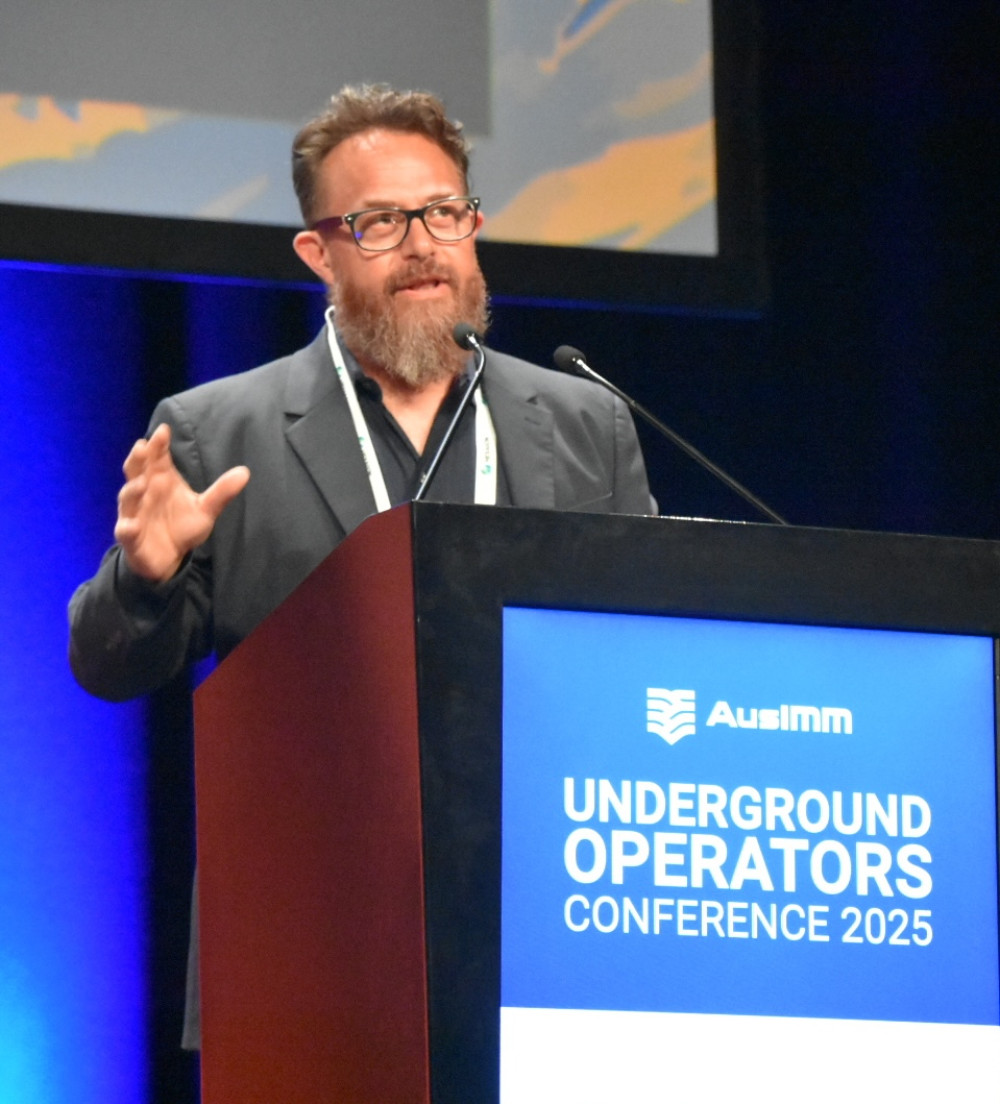
So when Hexagon stepped in, expectations were low. In fact, Josh admitted during the session, “We weren’t their first choice. They came to us because we showed up. Others wouldn’t even take the call.”
He did more than take the call. He got on a plane, got inducted on site, and embedded himself with the crews. “We had some frank conversations,” he recalled. “One of the truckies said to me, ‘Mate, this won’t stop me hitting the wall.’ And I said, ‘You’re right. But it might stop you hitting it as hard.’ That made a difference.”
That candour won respect. And it was the beginning of a culture shift.
Tech That Doesn’t Nag — It Empowers
Hexagon’s OAS is a camera-based system that detects micro-sleeps and distraction events using real-time eye and facial recognition. But unlike other systems, video footage is only sent to managers after verification review by Hexagon and no audio is recorded. And critically, it gives feedback directly to the operator.
“The alarm is loud,” said one operator in the project video. “It wakes you up, the seat vibrates. It’s not intrusive — it works.” He added, “I’ve got five kids at home. I want to go home to them every night.”
This sense of empowerment — not punishment — was key. Andrew reinforced that the system was intentionally non-punitive. “Fatigue happens,” he said. “This is about awareness, not discipline.”
Josh agreed. “Operators often don’t know they’re tired. But this gives them permission to pull over and rest. And that’s a game-changer.”
The Numbers Tell the Story
The phased implementation included a baseline period with the alarms off, allowing operators to see their own data. Then, slowly, alerts were activated.
Within three months:
- Validated fatigue events (eye closures) dropped from 690 to 238.
- The proportion of moderate to critical events dropped from 40 percent to 15 percent.
One year post-implementation, those numbers held:
- Total events were halved (from 1375 to 653).
- Moderate to critical events dropped 81 percent.
- Validated alerts dropped to around 10 percent, a rate considered sustainable in a 12-hour underground haulage environment.
But these weren’t just raw stats. They informed real decisions. “We changed shift rotations, adjusted breaks — all based on the data,” said Andrew. “It helped us help our people.”
Real People, Real Impact
Josh and Andrew didn’t shy away from the sensitive side of implementation. “We had one operator come forward and say, ‘I can’t do this. I’m not cut out for this role,’” Josh shared. “And MMG found him another position. That’s what a culture of safety looks like.”
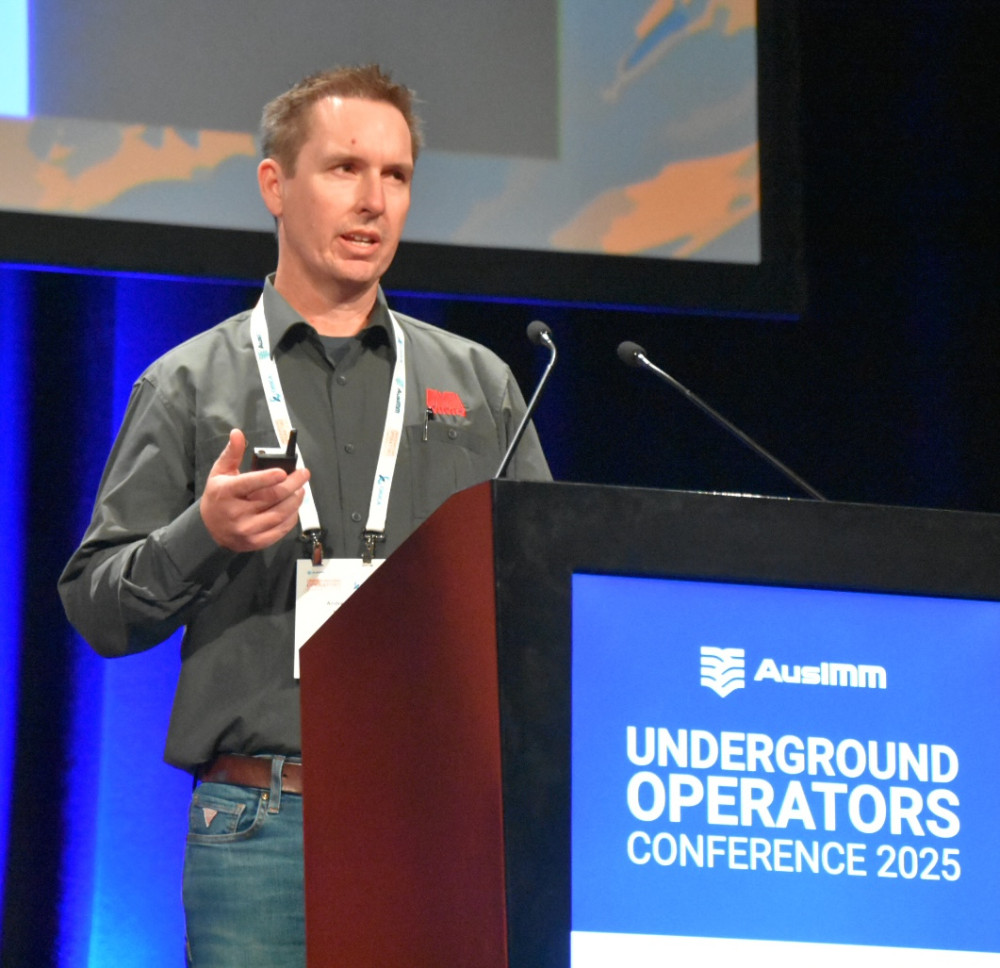
At the same time, they acknowledged the system’s limitations. “It’s not perfect,” Andrew said. “There are false positives. Like when the loader rocks the truck and the operator rests his eyes. But the team gets it. There’s been hardly any backlash.”
The key, they both insisted, was respect. “If we’d come in with a mandate and a spreadsheet,” Josh said, “we’d have been dead in the water. But we came in with honesty. We told them we couldn’t fix everything, but we’d stand beside them. And we did.”
The Role of Management of Change
Beyond the technology, Josh stressed that the real success came from structured change management. “Tech is just the tool,” he said. “The person is the solution.”
That’s why Hexagon co-developed a Trigger Action Response Plan (TARP) with MMG. “We walked through every scenario — who sees what, what happens when, and how data is used,” he said. “Operators knew exactly what to expect.”
Buy-in came not just from site management, but from crew champions — people respected on the ground. “We didn’t win hearts in the boardroom,” Josh said. “We won them in the crib room.”
Lessons for the Industry
While MMG’s Rosebery journey is unique, it offers lessons that apply across underground mining:
- Start with trust: Transparency about data, privacy, and goals is crucial.
- Prioritise non-punitive implementation: Fatigue is a health issue, not a performance failure.
- Use data as a feedback loop: Tailor shifts and rest based on real trends.
- Support the person, not just the policy: Personalised responses to fatigue are essential.
- Stay involved: Hexagon continues to visit site and review trends — not just sell a system.
Josh summed it up best in his closing remarks:
“This isn’t about gadgets. It’s about people. It’s about making sure that every miner gets home safely — every day. We owe them that.”